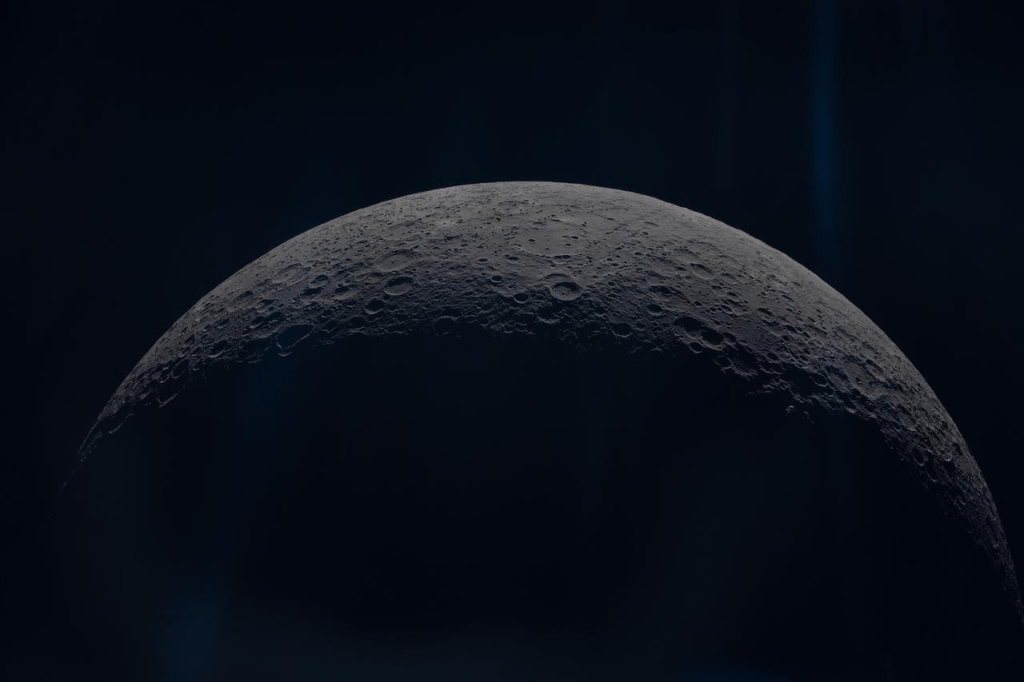
We need to talk about Artemis II — and not in the “What Artemis II taught me about <insert your corporate niche>here</insert>” way.
I mean it in the elder‑millennial middle‑manager sense of: can we please all pause and appreciate that we collectively witnessed a genuinely historic event… that, for once, was neither horrific nor embarrassing?
I wasn’t alive for Neil Armstrong’s iconic “one small step for man, one giant leap for mankind” — but I was absolutely alive for Commander Reid Wiseman’s far more relatable:
“I have two Microsoft Outlooks, and neither one of those are working… if you want to remote in… that would be awesome.”
Honestly? This only strengthens my long‑held conspiracy theory that all jobs have become email jobs. Humans are roughly 60% water and 40% email. Even when you’re orbiting the Moon, being an astronaut is still… a job. Somewhere between lunar flybys and high‑bandwidth laser comms tests, Microsoft Outlook still won’t be working.
And look — I’m not saying they found more things because they took a woman, the launch director was a woman, and the programme was led by a whole team of incredible women…But I’m also not not saying that.
What really struck me was this: in amongst all the cutting‑edge tech, NASA told the world during Artemis II that “human eyes and trained judgement are the best tools we have.” All that engineering brilliance still came down to people looking, assessing, deciding, and trusting experience.
Fifty years ago, women were doing mission‑critical calculations and writing the code that put men into space — all while lacking rights we take for granted today. They relied on skill, intuition, accuracy, and judgement under enormous pressure. Those skills — the human ones — are still what make the impossible possible.
Our tools may be getting smarter.
That doesn’t mean we should get duller.
 Rachael McKelvey
Leave a comment